Clomid is a brand of clomiphene citrate, an oral prescription medicine used to induce ovulation in selected patients with infertility related to ovulatory dysfunction. It remains a common first-step treatment because it is well studied, taken by mouth, and usually incorporated into a clinician-guided fertility plan rather than used on a casual self-directed basis.
Review the current Clomid product listing, strength details, and prescription requirements before checkout.
Use the offer page as a final verification step alongside your clinician’s treatment plan.
For anyone researching how to buy clomiphene citrate, the practical question is not only where to obtain it but whether the treatment is appropriate, how the dosing schedule is set, what monitoring may be needed, and what risks should be reviewed before starting. Those details matter because response to treatment, timing of ovulation, and safety considerations vary from one patient to another.
What Clomid is used for
Clomiphene citrate is primarily used to stimulate ovulation in women who have irregular or absent ovulation. It is commonly considered in infertility associated with polycystic ovary syndrome and other ovulatory disorders, and it may also be used in selected cases of unexplained infertility when a prescriber believes ovulation induction is appropriate.
The medicine works by influencing estrogen signaling at the level of the hypothalamus, which can increase the release of hormones involved in follicle development and ovulation. In practical terms, that hormonal effect is used to encourage the maturation and release of an egg during the treatment cycle.
Although clomiphene is sometimes discussed for male fertility in off-label settings, product use and suitability should be reviewed with a qualified clinician. A product page should not substitute for an individualized fertility assessment or treatment protocol.
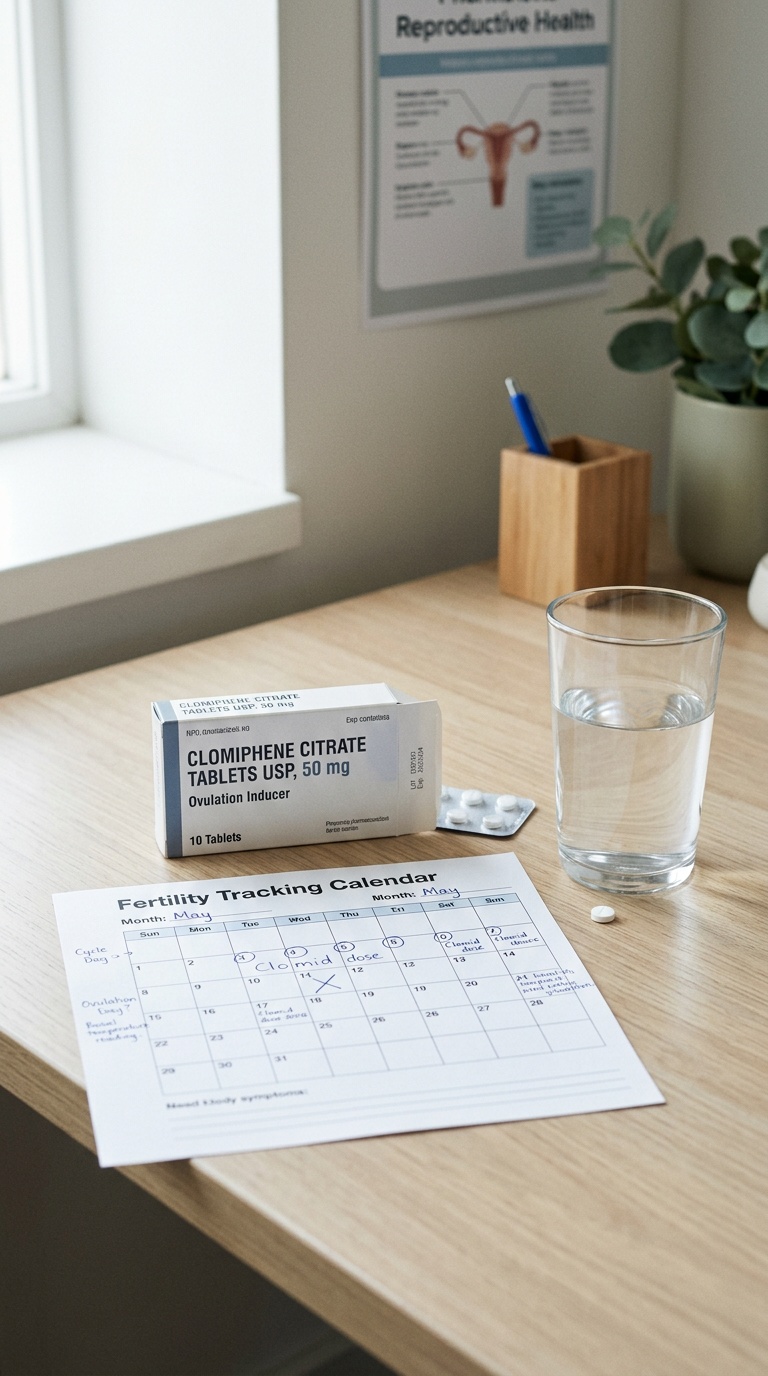
Clomid product format and cycle labeling
Clomid is supplied as an oral clomiphene citrate product for use within a clinician-defined fertility plan. When comparing an online listing, verify the active ingredient, tablet strength, tablet count, manufacturer or supplier information, and the patient information included with the pack.
Cycle timing is part of the individual prescription, not a detail that should be inferred from a sales page. The product listing should make the item being sold and the pharmacy requirements clear while the prescription and dispensing label remain the source for the personal schedule.
- Match the listed strength and quantity to the prescription.
- Confirm current price, stock status, and delivery terms at checkout.
- Check that official product information accompanies the order.
- Do not substitute a different strength or change a cycle plan from promotional text.
Choosing the correct clomiphene listing
A useful Clomid offer distinguishes the brand or generic product, states the clomiphene citrate strength and pack quantity, and explains prescription and delivery requirements before payment. Those details help a buyer compare the listing without turning the page into a self-treatment guide.
Availability and price can change, so they should be confirmed on the approved offer page. Suitability, monitoring, and treatment duration remain clinical decisions based on diagnosis and response; they are not promises attached to the product itself.
Side effects and key precautions
Common side effects of Clomid can include hot flashes, nausea, headache, breast tenderness, and abdominal discomfort. Some patients also report visual symptoms or mood changes, which should be taken seriously and reviewed promptly with a clinician.
An important counseling point is that ovulation induction may increase the chance of multiple pregnancy, including twins. The medicine is also contraindicated during pregnancy, so prescribers usually confirm that treatment is being started in the appropriate setting and not after conception has already occurred.
Patients should review the official prescribing information or patient leaflet for a fuller safety summary. Fertility treatment should be supervised, especially when there is a history of ovarian cysts, abnormal bleeding, liver disease, or other conditions that may affect whether clomiphene is appropriate.
- Common effects: hot flashes, headache, nausea, breast tenderness
- Report visual changes or significant pelvic symptoms promptly
- Multiple pregnancy risk is higher than in untreated cycles
- Do not use during pregnancy

Drug interactions and suitability checks
No medication should be added to a fertility cycle without checking for relevance to the treatment plan. While clomiphene does not have the long interaction list seen with some chronic medicines, suitability still depends on the full clinical picture, including hormone-related conditions, reproductive history, and concurrent prescriptions.
Before treatment starts, the prescriber may consider test results, age, duration of infertility, menstrual history, and any prior fertility therapies. This review helps determine whether Clomid is the right option or whether another approach would be more appropriate.
A pharmacist or clinician should review all prescription medicines, over-the-counter products, and supplements being used at the same time. That is especially important in fertility care, where timing, hormonal effects, and monitoring all influence safe use.
- Share a full medication and supplement list before starting
- Clinical suitability matters more than convenience
- Testing and history review are part of safe prescribing
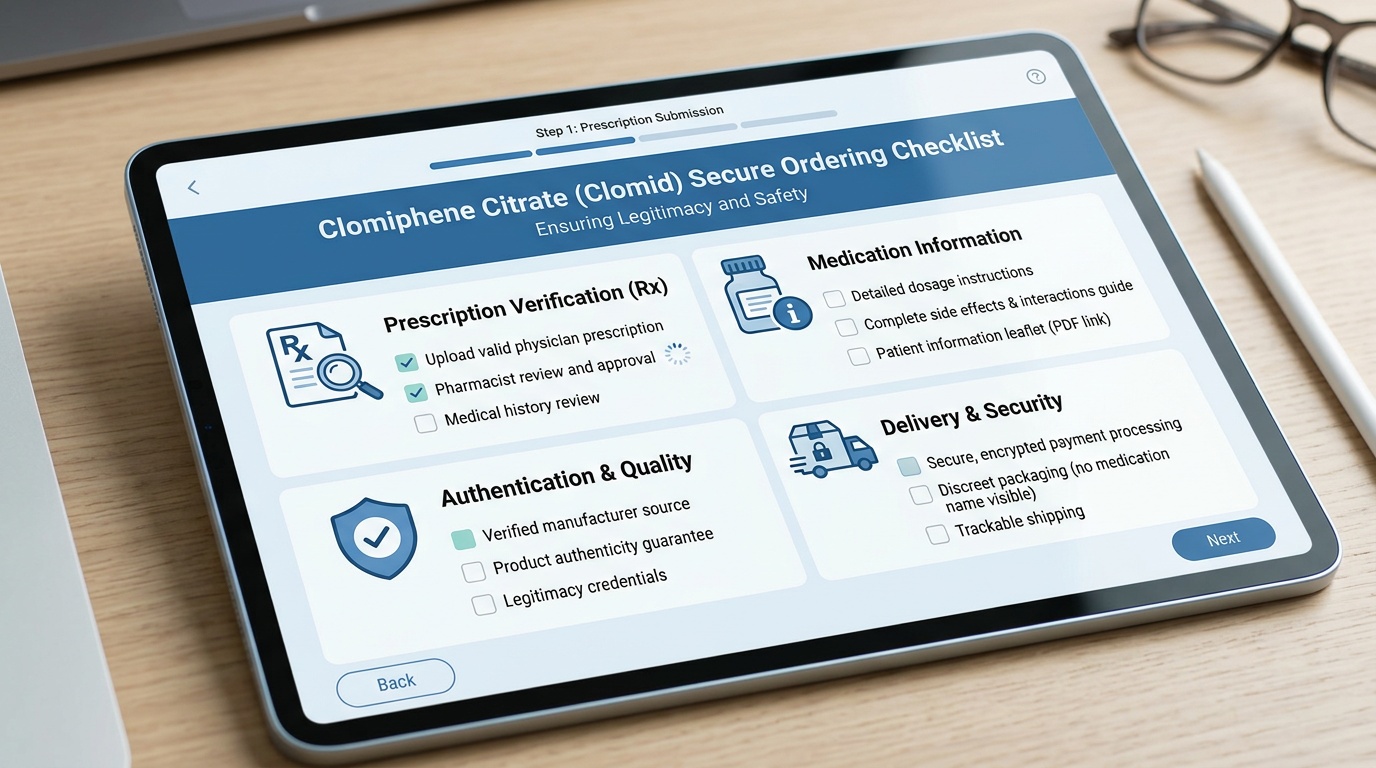
What to check before you buy clomiphene citrate
When looking to buy clomiphene citrate online, focus on legitimacy and prescription handling rather than marketing promises. A reliable pharmacy should clearly identify the product name and strength, explain checkout requirements, and provide access to product labeling or patient information.
It is also useful to confirm what the listed price includes, how prescription review is handled, and what delivery terms are shown at checkout. If essential information is missing or the seller makes broad claims about guaranteed results, that is a reason to proceed carefully.
Because Clomid is part of an individualized infertility protocol, the safest purchase route is one that fits within clinician-directed care. The goal is not simply obtaining tablets, but obtaining the correct product under the right treatment instructions.
- Verify the pharmacy’s prescription process
- Check the exact product strength and quantity
- Review listed price, delivery terms, and product information
- Avoid sellers that offer unrealistic claims or unclear sourcing
Common questions about Clomid
What is Clomid mainly used for?
Clomid is mainly used to induce ovulation in selected patients with infertility related to irregular or absent ovulation.
How soon does clomiphene citrate start working?
Ovulation may occur in the first treatment cycle, but timing and response vary. Some patients require more than one cycle under medical supervision.
Can Clomid increase the chance of twins?
Yes. Ovulation induction with Clomid increases the chance of multiple pregnancy compared with natural cycles.
Can men take clomiphene citrate?
Clomiphene may be used off-label in some male fertility settings, but that decision requires clinician review and should not be assumed from a general product page.
How long is treatment usually continued?
Treatment is typically limited to a defined number of cycles, with ongoing review of ovulation, tolerance, and overall fertility strategy.
Clinical context for ovulation induction: The ASRM evidence-based PCOS guideline discusses clomiphene citrate in anovulatory infertility and the need to consider multiple-pregnancy risk and individual monitoring.